Measure 20-388 is a hidden sales tax on Eugene.

It's written as a "license fee" on large retailers. But businesses don't absorb new costs. They pass them on. That means $15 to $40 million a year in higher prices for the people who shop, eat and live in Eugene.

You won't see it on the ballot. You'll see it at the register.

Measure 20-388 charges a new 2% fee on what large retailers sell in Eugene, not on how much they pollute. Retailers do what every business does with a new cost: they build it into prices. The same goods will cost more here than in Springfield or any store outside city limits.

2%
New fee on retail sales in Eugene, on top of every other cost of doing business here.Applies to retailers with national gross profits over $1 billion and Eugene gross profits over $500,000.
$15–40M
Pulled out of Eugene's economy every year, paid by residents and businesses through higher prices.
2029
The year it takes effect, with no cap on future increases and no vote of the people required to raise it.
0
Times voters get a say once it passes. Politicians can change the funding formula and redirect the money with a simple majority vote.
A shopper's hands holding a long grocery receipt

Three things the "Clean Energy Fund" doesn't tell you.

Nobody is against clean air and clean water. But a good goal doesn't make a bad measure good. Here's what's actually in Measure 20-388.

Tax forms, receipts, a calculator and reading glasses spread across a desk

It's a tax on sales, not on pollution.

The fee is based on what a retailer sells in Eugene, not on emissions. A store that sells products here pays it even though it didn't manufacture them. The actual sources of pollution are exempt.

It also exempts credit unions while taxing the banks that help Eugene families buy homes, finance an education and start businesses.

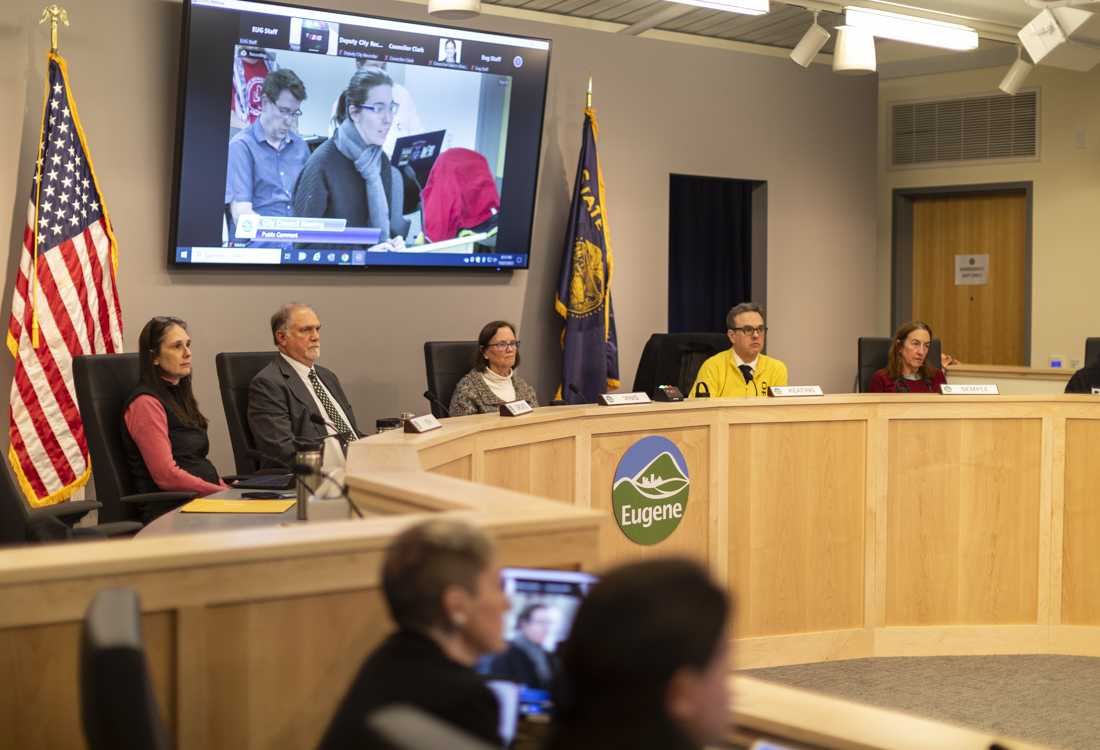
Eugene City Council members seated at the dais in council chambers

It's a blank check.

The measure raises tens of millions a year and hands spending recommendations to an unelected committee. Most of the money is mandated to go out as grants to nonprofits with no accountability to the public for results.

And once it passes, the City Council can change the funding structure and redirect the money anywhere it wants, with a simple majority vote and no voter input.

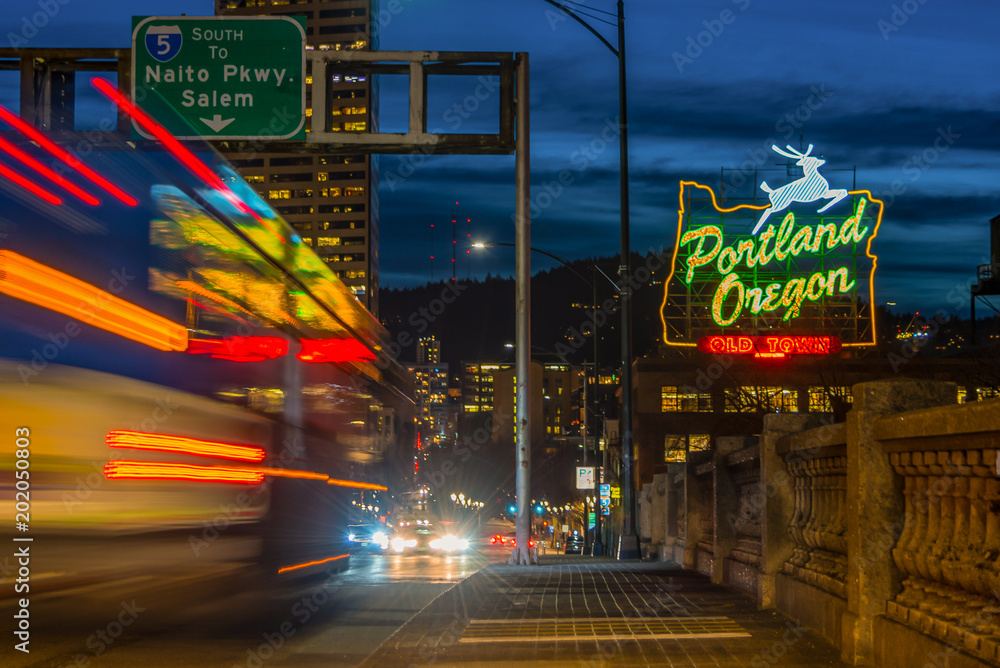
The Portland, Oregon sign lit up at night on the Burnside Bridge

Portland already tried it.

Measure 20-388 copies Portland's clean energy fund. That fund has raised prices, hurt Portland's economy and set off fights between politicians over pet projects, including proposals to spend it on police funding and the Moda Center.

Eugene should learn from Portland's experiment, not repeat it.

Hear how it impacts services we care about:

The organizations that keep Eugene fed, employed, open for business and able to borrow are all saying the same thing. Select one to read their statement.

A shop owner turning the sign on his door to Closed

Higher prices for Eugene families

Measure 20-388 will force retailers like grocery to increase their prices to offset the new tax burden. That means Eugene residents will pay higher prices for the same goods and services available at lower prices in stores outside of Eugene.

Regressive impacts will hurt families in need

When costs increase, consumers feel the consequences. Those higher prices hit low-income and working families hardest because they spend a greater share of their income on everyday necessities.

The hidden Eugene tax

While supporters call it a "license fee," businesses cannot simply absorb new operating costs. Those costs are passed along through higher prices, fewer jobs, lower wages and reduced investment. Eugene families are already struggling with the cost of housing, groceries, utilities and everyday necessities. Measure 20-388 will make Eugene even more expensive.

Northwest Grocery Retail AssociationStatement in opposition to Measure 20-388.

Higher costs mean higher prices

Small businesses cannot simply absorb higher costs. When operating costs go up, prices eventually follow. That means Measure 20-388 won't just affect businesses. It will affect the Eugene residents who shop at local stores, eat at local restaurants and rely on local service providers.

Small businesses will be impacted

Supporters want you to believe the tax will only be paid by large businesses. But community businesses purchase many of their goods from larger suppliers. When those suppliers' costs increase, they pass those costs on through the supply chain. The end result is higher costs for small businesses.

It's a hidden tax on sales

Measure 20-388 disguises itself as a "license fee," but the tax is based on a business's total sales. A grocery store, restaurant or retailer may generate significant sales while keeping only a small fraction after paying employees, rent and utilities. The measure ignores those costs and taxes businesses on what they sell, even in a year they barely break even.

Oregon Business & Industry"Community businesses urge no on Measure 20-388."

Eugene's economy should be our first priority

We all feel that Eugene's economy is struggling. Good jobs and wages are not keeping up with the cost of living. We love Eugene and want to see our community thrive, but we have to be realistic about our resources. We can't solve every problem by creating another tax and another government fund.

Measure 20-388 will take $15 million to $40 million out of our local economy every year in new taxes and hurt our ability to grow, or to find money for more urgent problems like homelessness and affordable housing.

What does Eugene need most right now?

We need an economy that is growing and creating good jobs. We need more affordable housing and meaningful solutions to homelessness. We need to make Eugene a place where families can afford to live and businesses can afford to grow and hire our residents. Let's focus on those first.

Eugene Area Chamber of CommerceVoters' pamphlet statement in opposition to Measure 20-388.

The tax will increase the cost of financial services

Measure 20-388 would impose a new local tax on qualifying banks serving Eugene. Banks help Eugene families buy homes and cars, finance an education, start or expand a small business, and manage their everyday finances. Increasing the cost of providing these services puts additional pressure on the cost and availability of credit.

Remarkably, the measure specifically exempts credit unions while taxing competing banks that provide many of the same services to the same Eugene residents.

Eugene needs more jobs and investment, not another tax

Businesses consider taxes and operating costs when deciding where to invest and create jobs. A Eugene-only tax puts local businesses at a disadvantage and makes neighboring communities more attractive for future investment. Money spent on a new city tax is money that can't be used to hire, raise wages or invest in Eugene.

Oregon Bankers Association"Don't make Eugene more expensive." Voters' pamphlet statement.

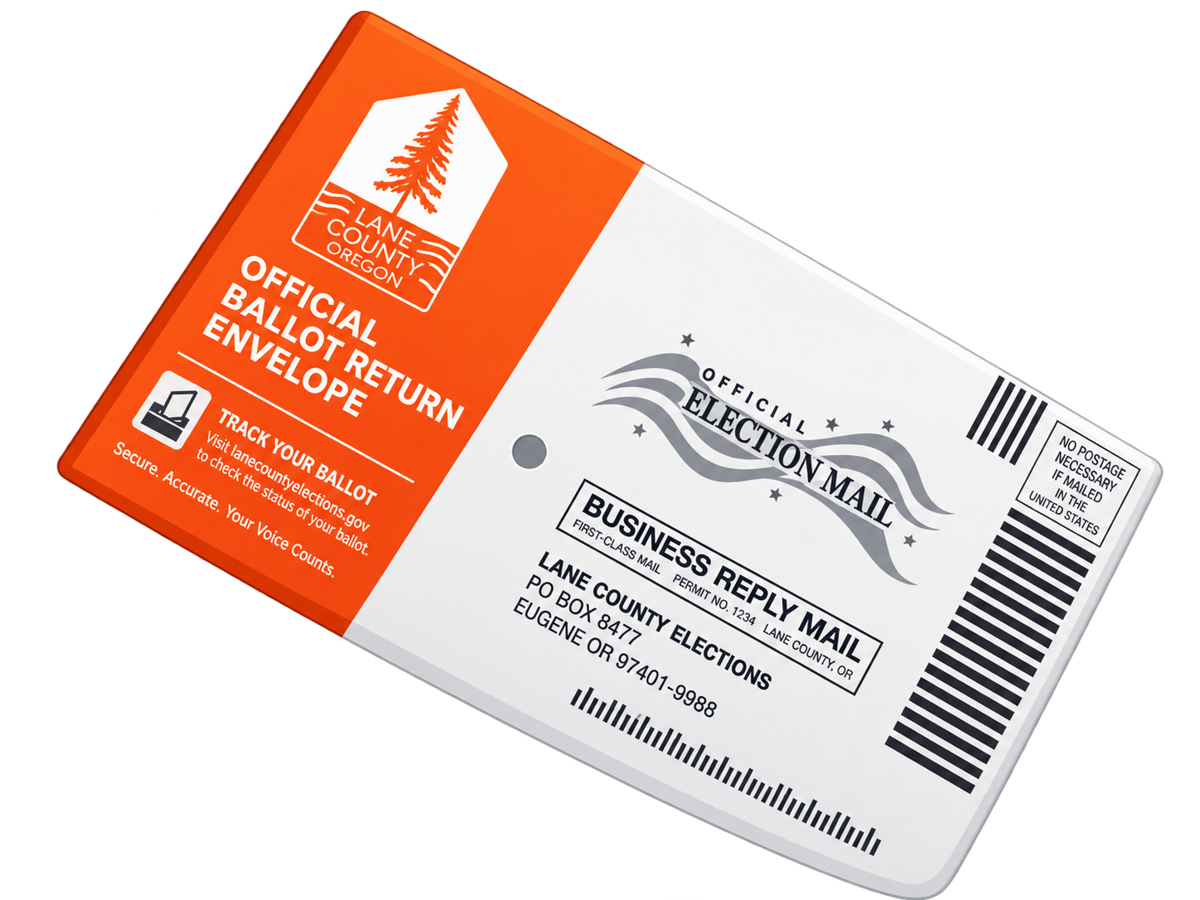
Ballots are mailed on Wednesday, October 14. Send this one back as a No.

Your ballot will be arriving the week of October 14, and Measure 20-388 will be on it. Mark No, sign the envelope, and return it to any official drop box by 8 p.m. on Tuesday, November 3, or mail it back postmarked by Election Day.

  1. Oct 13Last day to register to vote or update your address
  2. Oct 14Ballots are mailed to Eugene voters
  3. Nov 3Ballots must be in a drop box by 8 p.m., or postmarked by Election Day

Help stop the hidden tax.

Eugene families, seniors and small businesses can't afford to pay more. Every dollar and every volunteer counts.

Then do the simplest thing: when your ballot arrives Oct 14, vote No on Measure 20-388 and drop it off by 8 p.m. on Nov 3.

Join the campaign

Get updates, volunteer opportunities and a reminder when ballots go out.

By signing up you agree to receive messages from Stop the Hidden Tax on Eugene. Message and data rates may apply. Reply STOP to opt out.